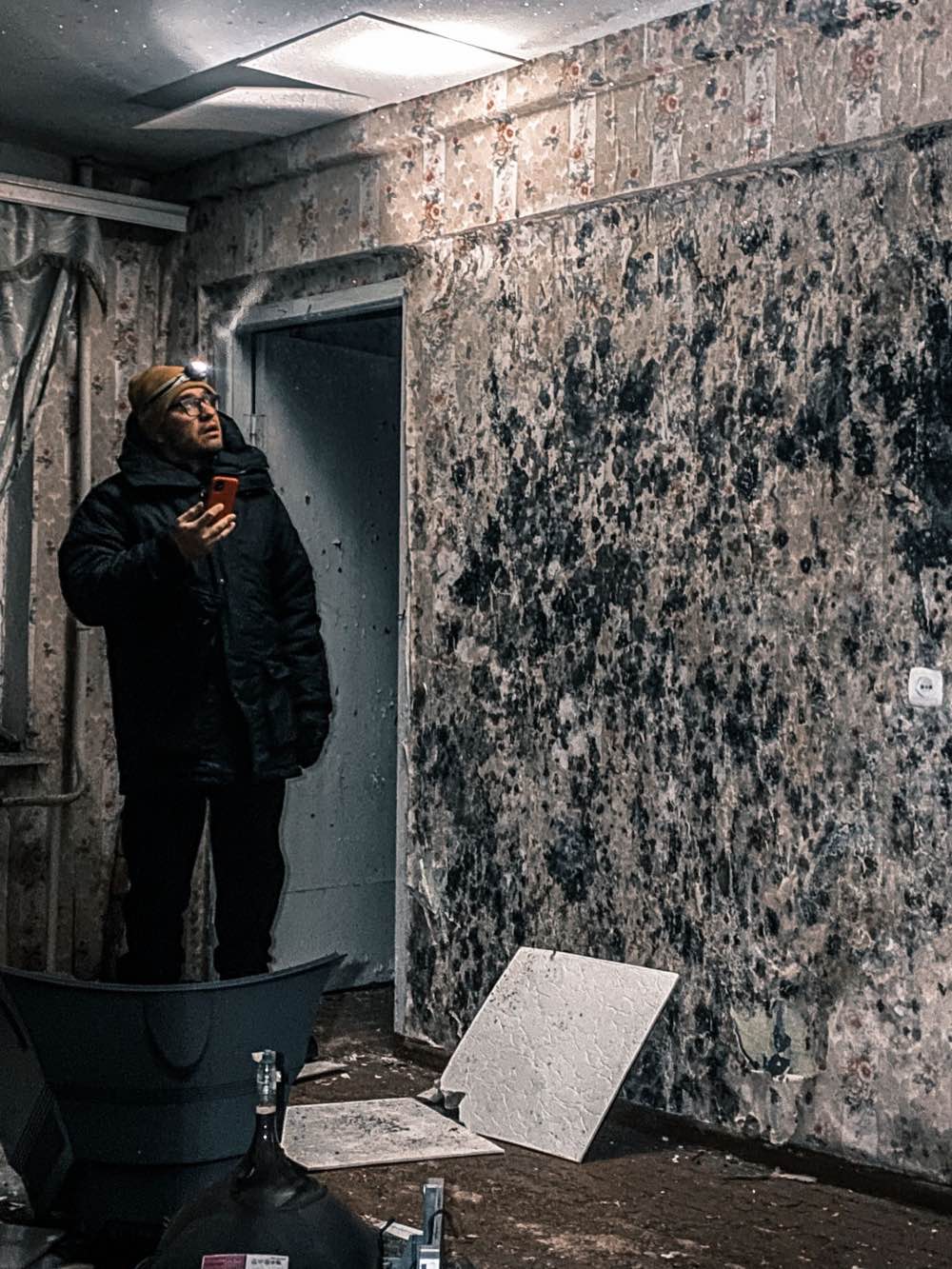
Inspection vs. testing
These two get mixed up a lot:
- A mold inspection is a visual and moisture investigation: looking for growth, staining, and water damage, using moisture meters and sometimes thermal cameras, and figuring out where the moisture is coming from.
- Mold testing means taking samples (air samples, surface swabs or tape lifts, or bulk samples of material) and sending them to a lab to identify mold types and amounts.
For most homes, the inspection matters more than the test. Finding the moisture source and the extent of the problem is what drives the cleanup plan.
When testing is worth it
The EPA's homeowner guidance puts the focus on fixing the moisture problem and cleaning up the mold (EPA: A Brief Guide to Mold, Moisture, and Your Home). If you can already see mold, a test usually won't change that plan. Testing can still be useful when:
- You smell mold but can't find it, and suspect it's in walls, ceilings, or ductwork.
- You're buying or selling a home and want documentation.
- A landlord-tenant dispute needs an objective record.
- You want to confirm a remediation job worked (post-remediation verification).
- Someone has health concerns and their doctor wants more information.
What tests can and can't tell you
Mold spores are everywhere, indoors and out, so a test will almost always find some. Results are usually interpreted by comparing indoor samples with an outdoor sample, and by looking at which types are present. A test can't tell you whether mold will make a particular person sick. The CDC notes that no test proves an association between Stachybotrys chartarum and particular health symptoms.
Be cautious with do-it-yourself petri dish kits. Because spores are always in the air, almost every dish grows something, which doesn't tell you much.
Signs you should get an inspection
- A musty smell that won't go away.
- Past water damage that may not have been dried properly.
- Stains on walls or ceilings, or peeling paint near the floor.
- Condensation on windows and walls all winter.
- Visible mold in more than one area.
What to do right now
- Note where and when the smell or stain is worst.
- Look under sinks, behind toilets, around the water heater, in closets on outside walls, and in the basement.
- Fix any obvious leak.
- Don't tear open walls looking for mold; that can spread it.
- Call (719) 722-2575 to get connected with a pro who handles mold inspection.
How an inspection usually goes
- Interview. The inspector asks about past leaks, floods, smells, and symptoms.
- Walkthrough. Room by room, looking for visible growth, staining, and damage.
- Moisture readings. Meters on walls, floors, and ceilings; sometimes a thermal camera to spot cool, damp areas.
- Sampling if it's warranted.
- Report. What was found, where the moisture is coming from, and recommended next steps. If removal is needed, that's mold remediation.
Independent inspector or remediation company?
Some people hire an independent inspector who doesn't do removal, so the person recommending work isn't the one selling it. Others are comfortable with a remediation company inspecting and quoting. Either way, ask how they decide what needs removal, and ask to see the moisture readings.
What affects the price
Size of the home, how many areas are inspected, the number and type of samples sent to the lab, and whether a written report is included. Testing is usually priced per sample. See our mold removal cost guide for the bigger picture.
Mold and radon are different things
Colorado homes are often tested for radon, especially during a sale. Radon is a radioactive gas from the ground, not a mold, and it needs its own test and mitigation. The EPA has radon information for homeowners. Don't assume one test covers the other.
Insurance notes
Insurers don't usually pay for testing on its own unless it's part of a covered claim. This is general information; ask your insurer.
Frequently asked questions
Can a home inspector test for mold?
Some offer it as an add-on. A general home inspection usually notes visible signs of moisture or mold without testing.
My test came back "elevated." Now what?
Find the moisture source and the growth. Elevated indoor spore counts usually mean there's mold somewhere that needs removing.
Are air purifiers enough if the test is high?
No. Air purifiers don't remove mold growing on materials.
How soon after a leak should I check for mold?
If the area wasn't dried within a day or two, have it checked. Mold may be growing behind walls or under floors before you see it.