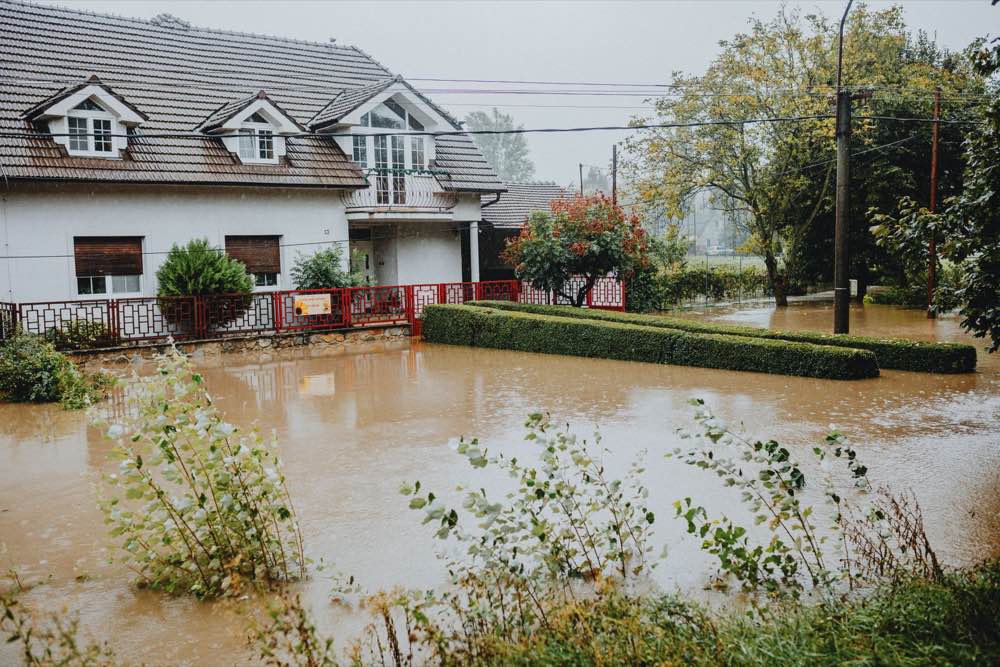
Flooding in the Pikes Peak region
Colorado Springs is semi-arid, but that doesn't mean it doesn't flood. Afternoon thunderstorms in summer can dump a lot of rain in a short time, and dry ground and pavement shed it fast. Creeks and drainages that are nearly dry most of the year can rise quickly.
Wildfire makes it worse. Burned slopes absorb much less water, so rain that would have soaked in runs off, carrying ash, soil, and debris. After the 2012 Waldo Canyon fire, the burn area raised the flood danger for Colorado Springs, Manitou Springs, and Ute Pass. Homes below burn scars, in canyons, and along creek corridors carry the most risk.
Floods can also come from closer to home: blocked gutters, downspouts dumping against the foundation, grading that slopes toward the house, or window wells that fill during a storm.
You can check flood alerts with the National Weather Service office in Pueblo, which covers Colorado Springs.
Flood water is dirty water
Flood water that came in from outside isn't clean. It can carry soil, sewage, chemicals, and debris. The EPA notes that flood water may contain microorganisms and exposure can cause infections and rashes. Treat it as contaminated: porous materials it soaked, like carpet, pad, insulation, and the lower part of drywall, are usually removed rather than dried.
Safety before anything else
- Don't drive or walk through moving water. It takes less than you think to knock a person down or float a car.
- Wait until it's safe to go back in. Follow local officials.
- Electricity and gas. If water reached outlets, the panel, or gas appliances, have the utility or an electrician check before turning anything on. The CDC has a checklist for reentering a flooded home.
- Protect yourself. Boots, gloves, and eye protection when handling anything the flood water touched.
- Watch for structural damage: cracked foundations, sagging floors, or doors that suddenly won't close.
What to do once it's safe
- Take photos and video of everything before cleanup, including the water line on walls.
- Report the loss to your insurer (homeowners and flood, if you have it).
- Remove water you can safely reach, if the source has stopped.
- Get wet belongings out to dry, and throw away food and anything that can't be cleaned.
- Call (719) 722-2575 to get connected with a restoration company.
How flood restoration usually goes
- Assessment of water depth, contamination, and structural concerns.
- Mud and debris removal, then water extraction.
- Removal of soaked porous materials: carpet, pad, insulation, and drywall above the water line.
- Cleaning and disinfection of framing, slab, and hard surfaces.
- Drying with air movers and dehumidifiers, monitored until dry. See water extraction and drying.
- Mold prevention, since flood losses are prime ground for mold. See mold remediation.
- Rebuild once everything is dry and clean.
What affects the price
Depth and spread of water, mud and debris load, how long the water sat, how much material must come out, and whether structural or electrical repairs are needed. Flood jobs typically involve more removal and cleaning than a clean-water leak of the same size. See the cost guide.
Insurance notes
FloodSmart, the federal flood insurance site, states that most homeowners insurance does not cover flood damage. Flood coverage usually comes from a separate policy through the National Flood Insurance Program or a private insurer, and these policies often have a waiting period before they take effect. Water that comes from inside the house, like a burst pipe, is a different kind of claim. This is general information, not advice. Talk to your insurer or agent. See our insurance guide.
Frequently asked questions
Is my home in a flood zone?
FEMA's flood maps are the usual starting point; you can find them through FloodSmart. Homes outside mapped zones can still flood, especially below burn scars.
Can I save drywall that got wet in a flood?
Usually not the part that touched flood water. Crews typically cut it out above the water line because it may be contaminated.
What about my furnace and water heater?
If flood water reached them, have them checked by a qualified technician before using them again.
How do I prepare for the next storm?
Keep gutters and downspouts clear and pointed away from the foundation, cover window wells, keep valuables off basement floors, and ask your agent about flood insurance before you need it.